
Air Springs vs. Rubber Mounts: Key Differences Explained
Air springs and rubber mounts are two of the most commonly confused components in a truck’s suspension and powertrain — both deal with vibration and movement, both are made largely of rubber, and both quietly affect ride quality. But they do very different jobs, fail in different ways, and shouldn’t be diagnosed the same way. Here’s how to tell them apart and know which one actually needs attention.
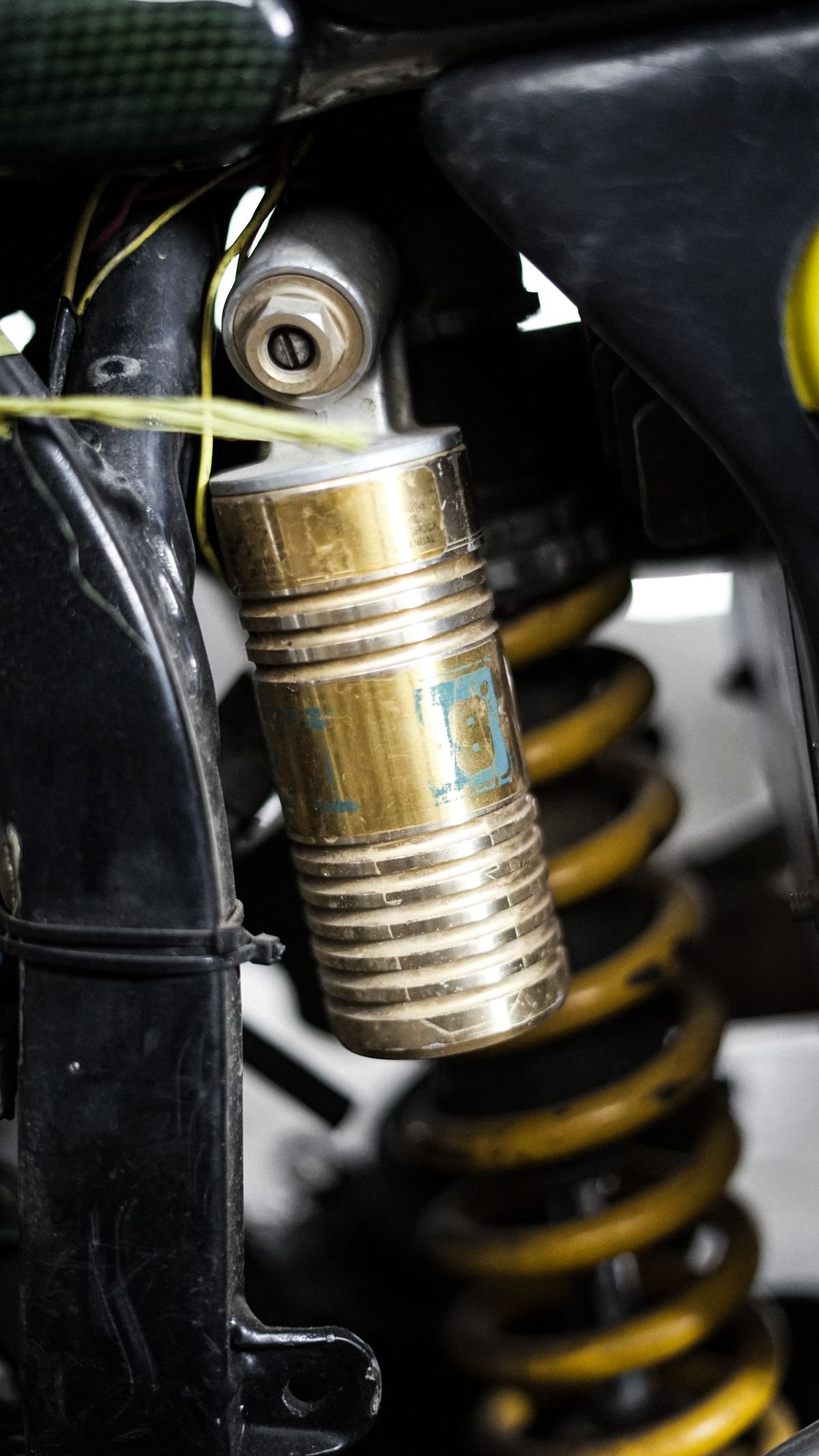
Air Springs: Pneumatic, Load-Bearing Suspension
An air spring is a pressurized rubber bellows that supports the weight of the vehicle and its load, replacing or supplementing traditional steel leaf springs. Because air pressure inside the bellows can be adjusted, air springs let a truck maintain a consistent, level ride height regardless of how heavily it’s loaded, while also cutting down the road vibration transmitted up into the cab and cargo area. This is why air suspension is so common on tractor cabs, trailers, and any application where ride height consistency and load-adaptive comfort matter.
Rubber Mounts: Vibration Isolation for Engine and Cab
A rubber mount — whether an engine mount or a cab mount — is a solid or metal-reinforced rubber block, not an air-filled component. Its job is to isolate vibration and shock at the connection points between the engine (or cab) and the chassis, rather than to bear the vehicle’s ride height or load. A good mount keeps engine vibration from transmitting into the cab and keeps the drivetrain properly aligned under torque, without ever needing air pressure to do it.
Key Differences at a Glance
- Function: air springs bear load and set ride height; rubber mounts isolate vibration and hold components in position.
- Construction: air springs are pressurized rubber bellows; rubber mounts are solid or reinforced rubber blocks.
- Typical location: air springs sit between the axle and chassis or trailer frame; rubber mounts sit between the engine or cab and the frame.
- Common failure sign: air springs leak air and sag; rubber mounts crack, separate, or perish, allowing excess movement.
How to Tell Which One Needs Attention
- Sagging ride height, an uneven vehicle stance, or an audible air leak — check the air spring.
- Excessive engine vibration felt in the cab, or the engine visibly rocking at idle or start-up — check the engine mount.
- Visible rubber cracking, splitting, or separation from the metal housing on either component — schedule an inspection before it fails completely.
Because the two parts fail differently and sit in different locations, a proper inspection means checking both independently rather than assuming a “suspension noise” is automatically one or the other. Getting the diagnosis right the first time saves a workshop a second visit — and saves a fleet unnecessary downtime.
Looking to cross-reference an air spring or rubber mount part number, or request a quote for commercial or passenger vehicle applications? Contact our team — we manufacture both component types factory-direct.